Friday, 29 September 2006

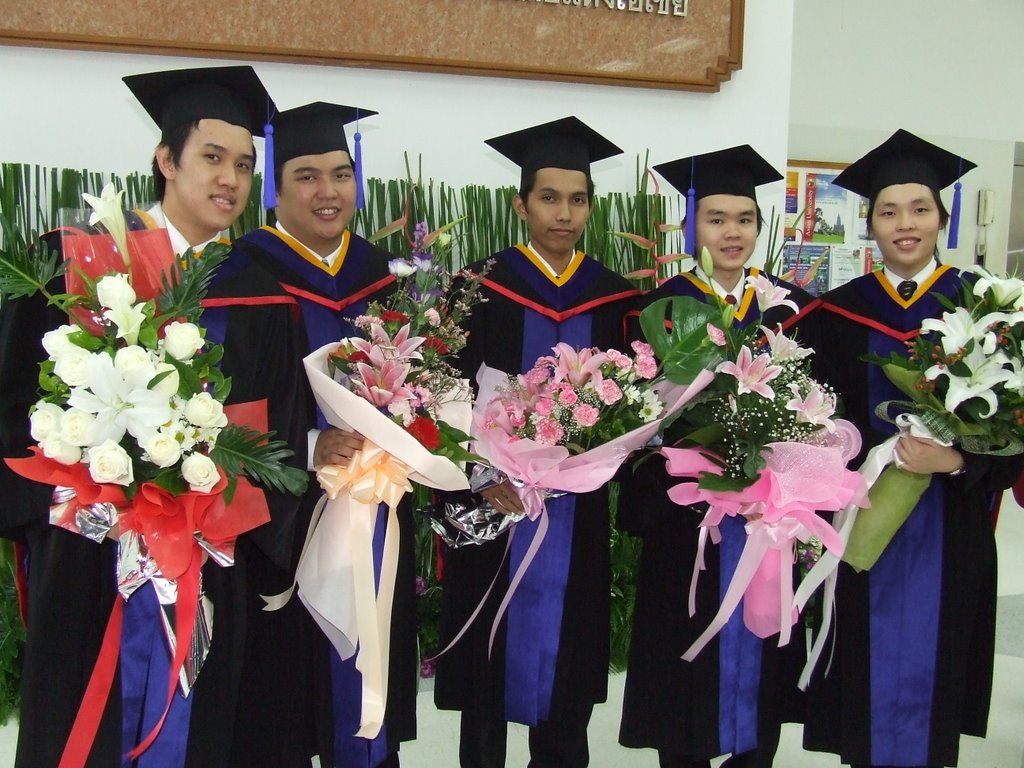
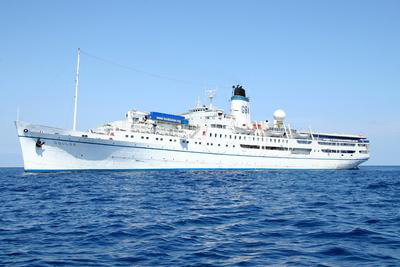
Students visit MV Doulos


Field Trip: MV Doulos International Book Fair

Our class, third-year Bachelor of Arts students at Asian University, studying Intercultural Communication this semester, visited the MV Doulos while it was berthed at the Thai Navy docks in Sattahip.

We learned a lot about training to prepare people to work in intercultural situations, and some of the problems and opportunities such situations present.

Everybody who works on this ship is a volunteer. They even have to pay to be on board. They are basically supported by their family or people back home such as church communities.
Training

Before joining this program, applicants are required to take tests, including an interview, in order to test their attitudes toward other cultures.

When they were accepted, the crew members all took a course in intercultural communication before working on the ship in order to learn to behave appropriately among 45 nationalities. For example, Brazilians are very open. They hug and kiss each other all the time. Junior, the Brazilian we spoke to, calls it “touchy”. They have to try to understand other cultures which are not “touchy”, like Thai culture!

The training depends on each country’s traditional culture. For Koreans, it may take five months of cultural training before going on board. For Germans, they have to read books in order to study multicultural issues and they also have to do a few weeks of training. Most volunteers practiced survival training for the sea and firefighting.

Everybody who was new to the ship came together in Holland in September 2005. The whole group was trained in more than technical things; they had to learn how to live together on the ship. The working culture on the ship is pretty much based on western ways. That’s why people from Asian countries may find it hard to adapt themselves to it.

Benefits of training

  • They got to know why people act differently by studying their cultural backgrounds.
  • They are able to apply specific rules in different countries. For example, the women crew members wear long skirts and headwear while visiting the Middle East.
  • They have to respect others’ needs since they won’t all have their own private space. There’ll be 3-4 people from different countries living in a small cabin together. These people never had a chance to get to know each other before.

Normally, people join this program for two years. It usually takes them about six months to really feel at home.
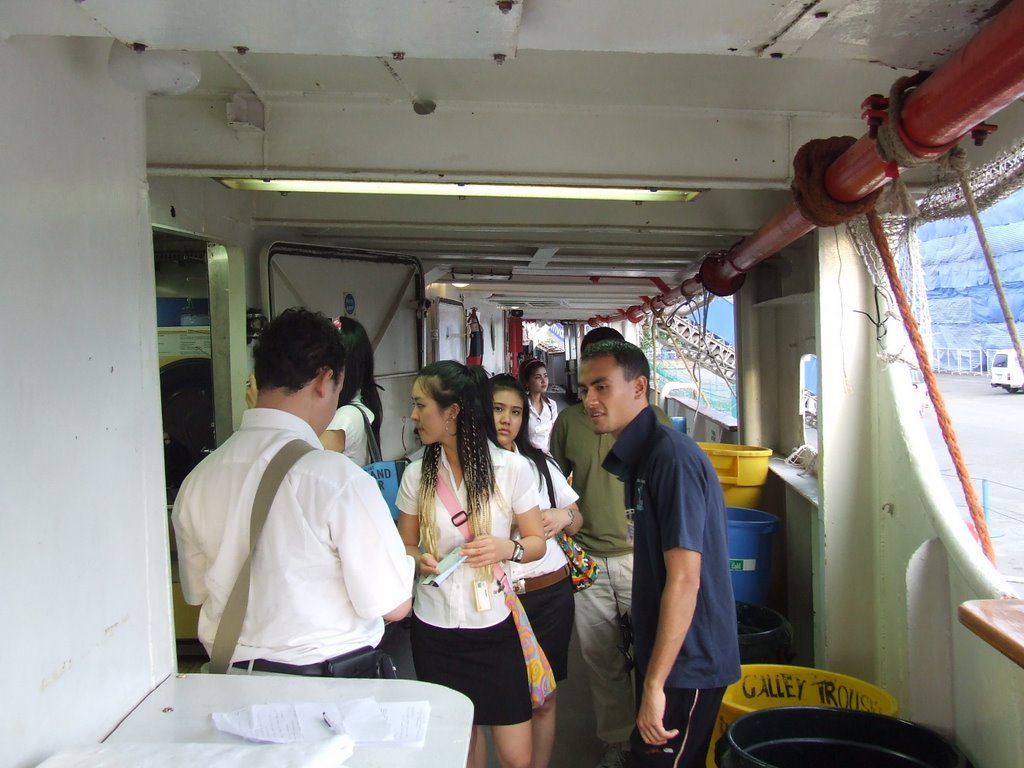
Culture on the ship

Do they have problems and conflicts over values and personal/cultural preferences? How do they deal with this?

The crew members don’t just try to adapt their whole personality to other cultures. If they feel offended by other people, they can’t just go tell that person. They have to try to understand that all cultures are different. The whole organization is different since life on board is multicultural. The MV Doulos organisation even has people in different countries the crew members can contact for help when they have problems. Sometimes, the volunteers make mistakes. They have to learn, and get used to new ways.

Another thing is homesickness. People get really homesick when they stay on the ship for a while. They just miss things they used to do at home.

After the crew members stayed together for awhile, they started to discover different personalities in other, new cultures. It was a challenge, and it was interesting too, to make friends outside their own culture.

The style of clothing the crew wears while in port depends on the place they’re visiting.

For example, at Phuket, they were allowed to wear sleeveless shirts, unlike most places they visit. For example, in India and Middle Eastern countries they had to always wear long sleeves.

They do have fixed rules about dress, though. Women are not allowed to wear mini skirts. They can’t wear clothes which are too tight, too short, and no tank-tops. This idea is for protection. Women crew members reported that when they dress like that other people (men!) focus on the person more than what they look like.

When there’s a lack of communication between different groups, the volunteers have to talk to each other in order to come up with a plan to help them communicate better. The best way is to talk to people yourself. If you treat people well, they treat you the same way. The crew members always meet at least once a week in order to talk about anything.

When everyone is used to the other cultures on the ship, homogenous cultural grouping becomes less. “Loud” people tend to mix with other “loud” people and quiet people tend to stay in a group of quiet people.

In order to make people feel welcomed on this ship, everybody needs to care about others more than themselves. They always help each other when they’re working.

When crew members finally go home, they get some kind of reverse culture shock too, since they have been away from their home countries for a long period of time. They find that people in their home countries seem to be strange. Even things that they think are very normal, people in their countries may not do. They have to learn to adjust themselves all over again!

The thing that impressed me most was:

EVERYONE HAS EQUAL RIGHTS ON THIS SHIP


Even the captain follows the same rules as everyone else. Wow!


The more this ship travels, the more people want to join it.


Want to find out more about the MV Doulos? Check this out: www.mvdoulos.org

Wacharin Chaisiriphan (First), 3rd year Asian University student.

Thursday, 28 September 2006

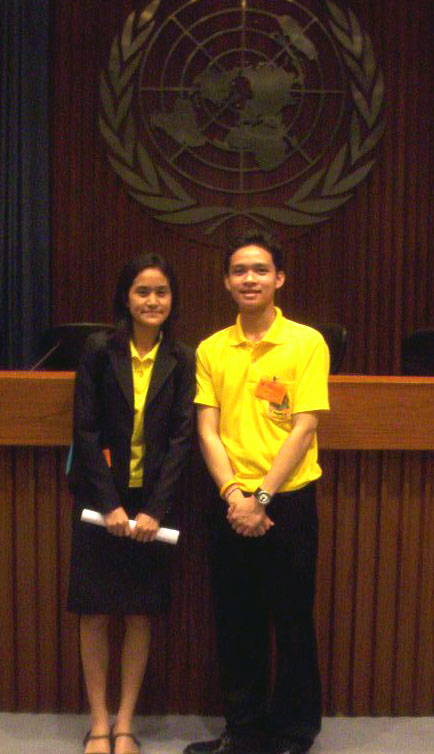
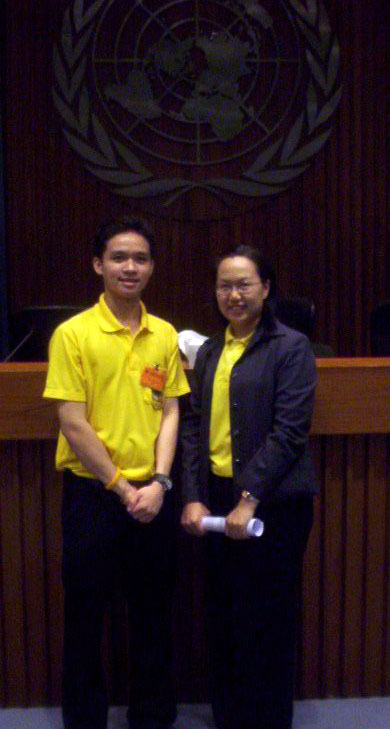
Asian U student at the UN

Asian University student attends UN sponsored Conference aimed at helping People with Disabilities

This article was written by Tanes Rianglaem (Nate), a third year BA student at Asian University.


“On September 21-22, 2006 I had the opportunity to attend the Seminar on South to South Cooperation on Disability: Development of APCD Network at the United Nations Conference Center in Bangkok. The event was hosted by the United Nations Economic and Social Commission for Asia and the Pacific (UNESCAP) and Asia-Pacific Development Center on Disability (APCD). The objective of the seminar was to develop and strengthen the network of People with Disabilities (PWDs) in the Asia and Pacific region.

The participants from various countries, particularly in Asia and the Pacific region, shared interesting facts, ideas and projects which have been completed successfully. They mainly discussed how they can help one another to develop and strengthen the network of PWDs in this region. Many significant topics involving disability issues were also raised during this seminar. The attending participants, they all have the same aim, want to create a barrier-free society for PWDs from the community level through to the global level.

It was my great chance to attend such a valuable event like this. I have gained much experience and knowledge by sharing ideas with other young people, especially on disability issues. Disability issues may be seen as a serious and not pleasurable to look into. In fact, it is very necessary to be more concerned into it.

People with disabilities represent one of the most marginalized groups and that their rights have been routinely ignored or denied throughout much of the world. I as a young person personally believe that we all can make a difference for all PWDs in today’s society by helping to promote the empowerment of PWDs and increasing people’s awareness of disability problems and issues. To create a barrier free society for PWDs needs everybody’s hands working on it, not just organizations that work on disability.”

Picture shows Nate with Ms Lasapan, Chief of Information Support Department, APCD

Tanes Rianglaem (Nate) was chairman of the Community Service Committee, Asian University 2005-2006. Tanes has attended many international conferences and seminars, particularly on social issues. Most of them were hosted by UN agencies such as UNICEF or UNESCAP. Tanes has also been actively participating in social work activities.

Wednesday, 20 September 2006

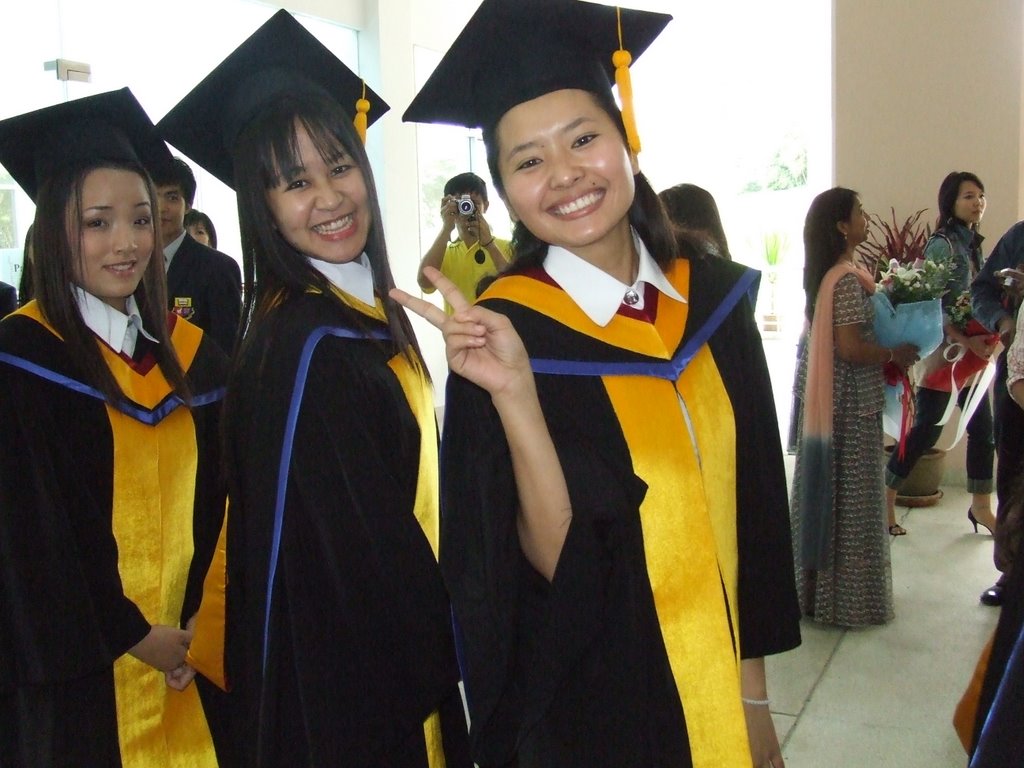
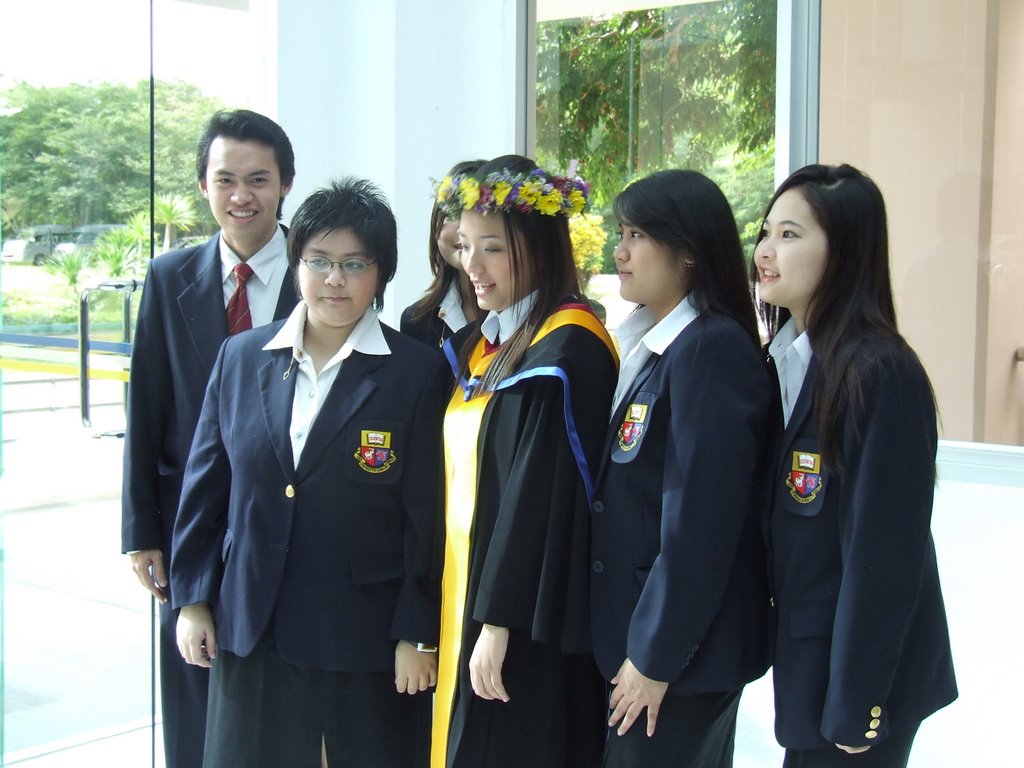
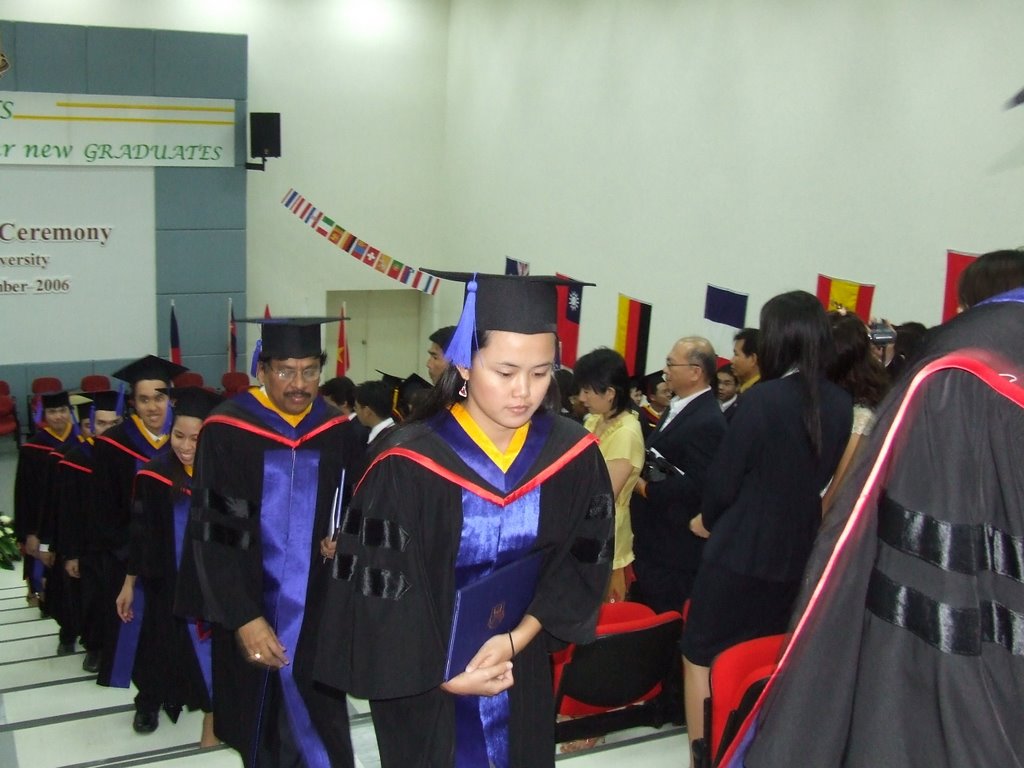
Asian University Commencement Day : 19 September 2006

BEng and BBA graduates

On Asian University’s seventh Graduation Day, Lord Ronald Oxburgh was invited to present degree certificates to the 2006 graduates.

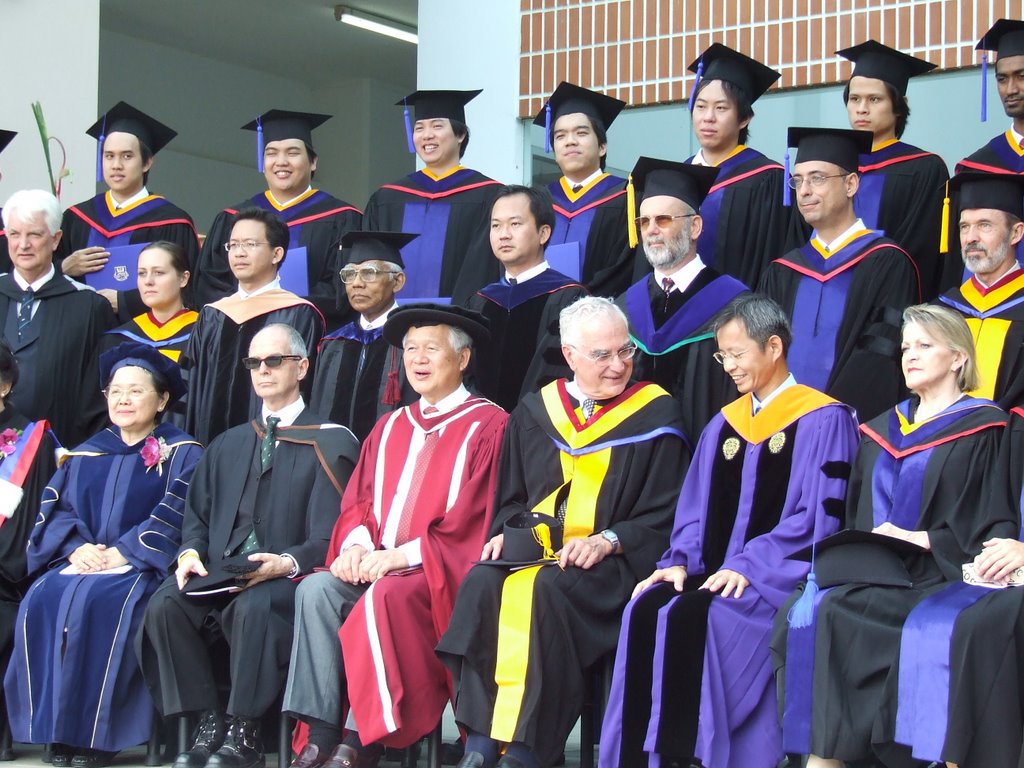
Lord Oxburgh, Dr Vip, graduates and staff pose for a photo

After a brief welcome by the University president, Dr. Viphandh Roengpithya read messages from H E Anand Panyarachun Hon. KBE, the University Council Chairman, and from H E David Fall, the British Ambassador, congratulating this year’s graduates and wishing them well. Dr. Vip then introduced Lord Oxburgh who presented the degree certificates to a total of forty-eight graduates. They included Masters of Business Administration (MBA), Bachelors of Business Administration (BBA) who have specialised in Business Economics, Finance and Banking, Management, Marketing or Management Information Systems. The Bachelors of Engineering included those who had specialised in Mechanical, Information Systems and Electrical and Electronic Engineering. The Dean of the Faculty of Liberal Arts was especially proud of the first batch of Liberal Arts (BA) graduates in English for Business Communications.

Proud and happy: Bachelors of Arts in English for Business Communications

Some of Asian U’s overseas graduates had returned to Thailand especially for the presentation.

Kate with friends

Proud parents and family members watched and applauded as the certificates were presented, and each graduate received a few words of encouragement from Lord Oxburgh. Current students from the University and from the College at Asian U were in the audience along with several alumni from previous years.

Kesinee leads the MBAs up the steps

Lord Oxburgh completed the ceremony with an address when he stressed how lucky these graduates have been to have had an education at a relatively small university, where everyone knows everyone else. He also asked the graduates to publicly thank their parents for making it possible. Like everyone else, he wished the young people luck in their future endeavors.

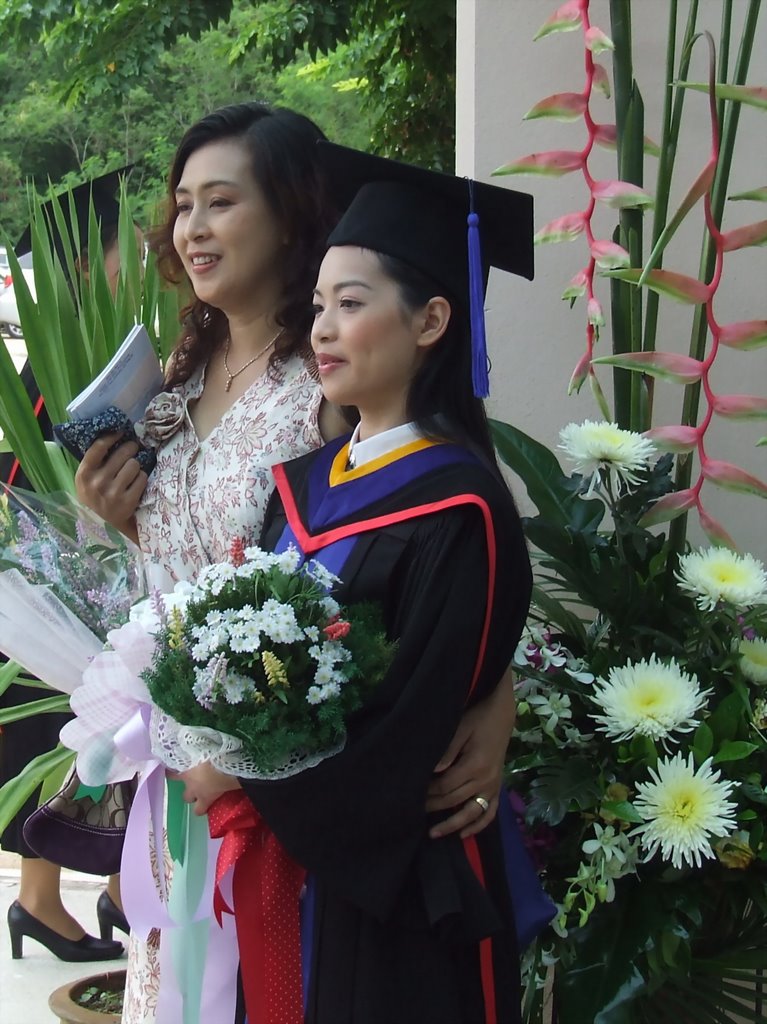
Pruksachat with her mother

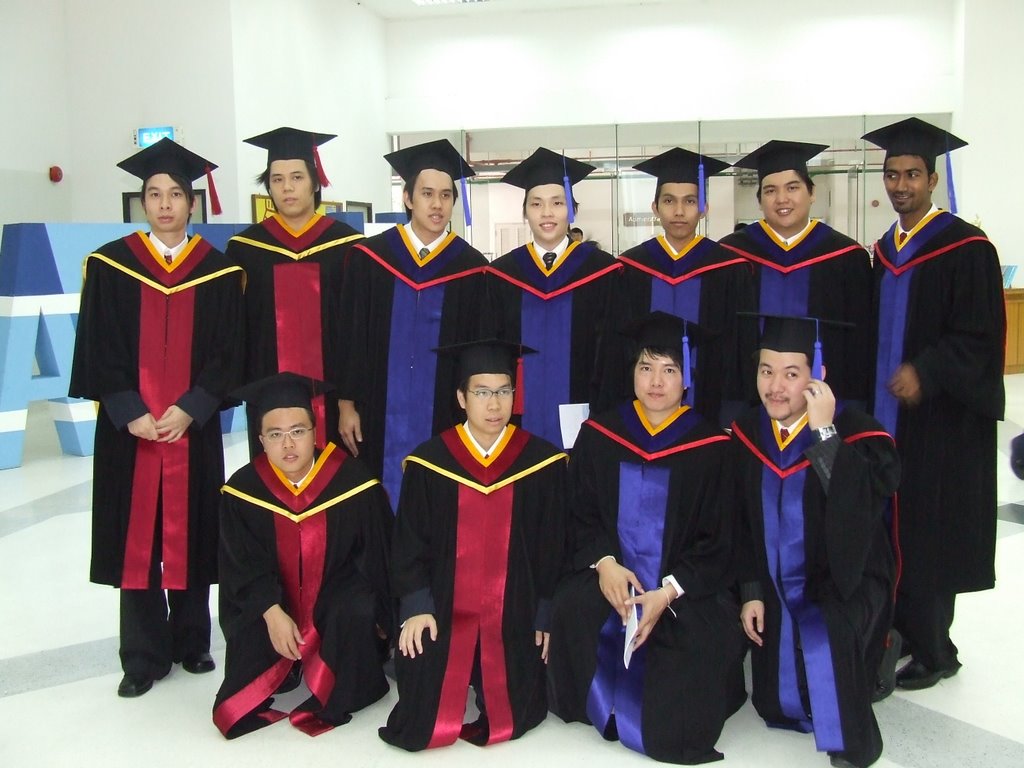
Photos show the graduates (gowned) and some of their undergraduate friends.

Bachelors of Business Administration


Thursday, 10 August 2006

Liberal Arts Faculty’s youngest

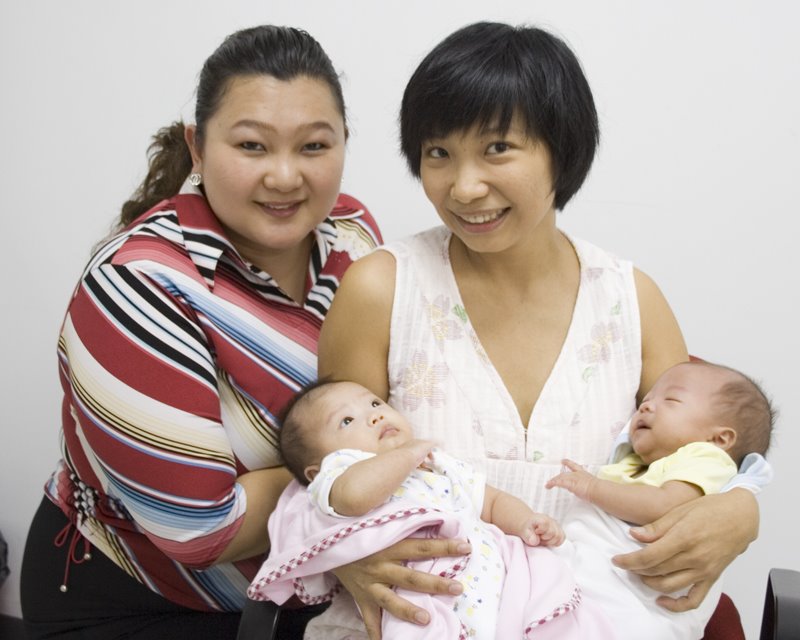
Kim (right) with Rachaneeboon


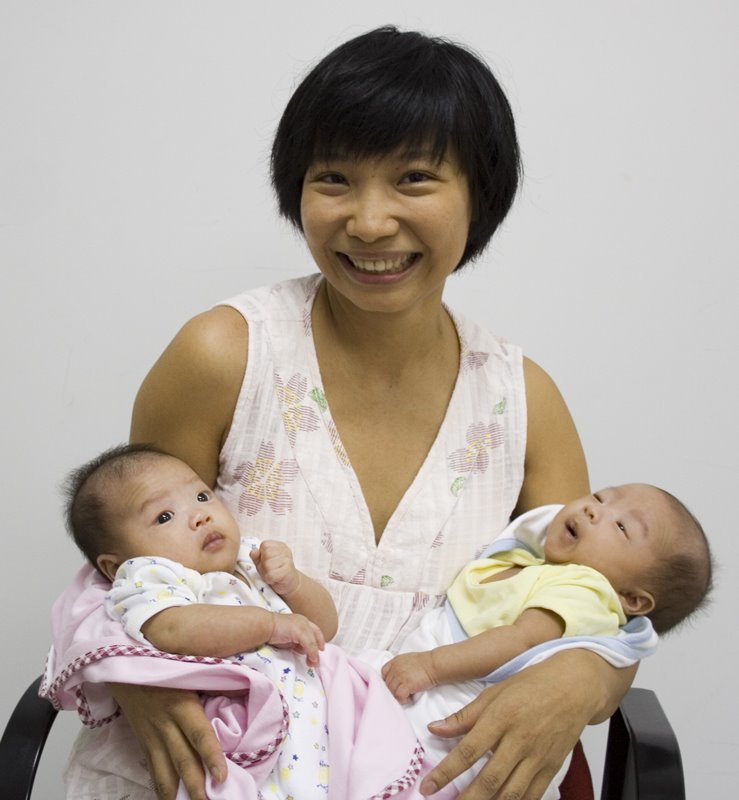
Kim Phan, LA lecturer, gave birth to twins on 15 May. The girl, Jana, was born first, closely followed by Nathan. The photos show a proud Kim and her babies.

Nathan (left) and Jana (right).

Wednesday, 9 August 2006

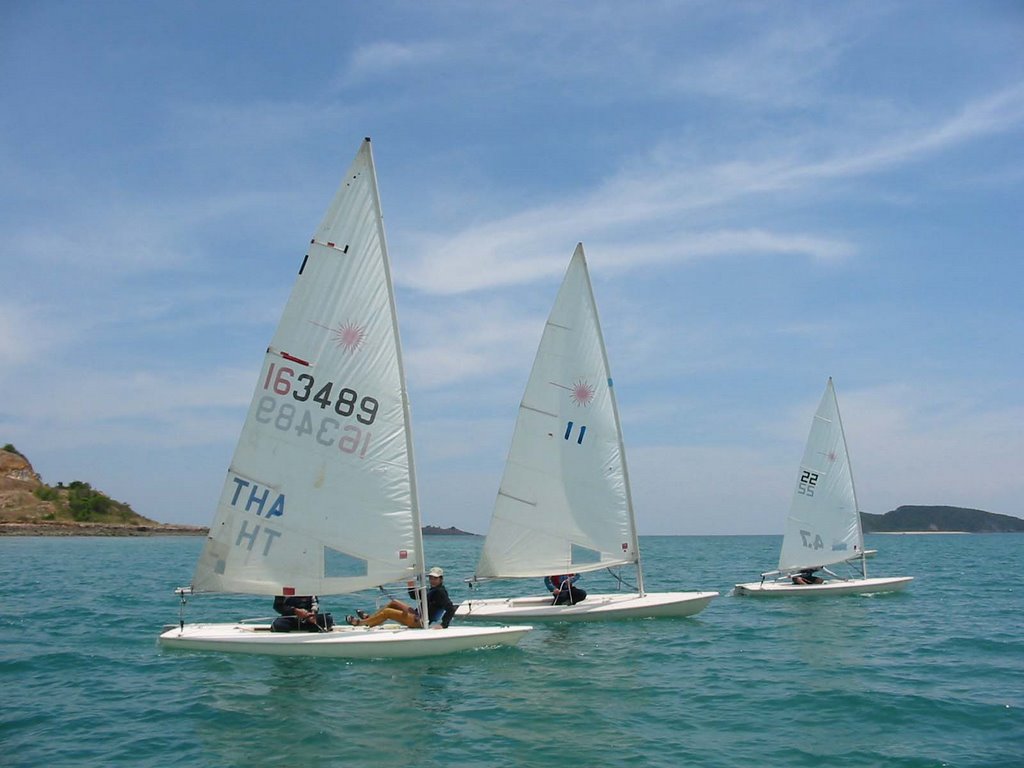
Asian University on the High Seas at Hua Hin Regatta

The weekend of sailing at the Hua-Hin Regatta brought home some mixed results despite the wet and very windy conditions. Asian U’s sailors were proud to successfully complete the races, as many of the other competitors failed to do so due to the extreme weather conditions.

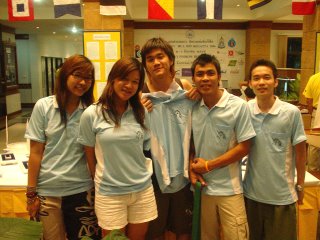
Asian U's sailing team


Sinsupa Wannasuth or Mink (a second year BBA student) was holding an excellent third place run in to the finish line in her second race, which included sixty other boats, when the weather got the better of her and she capsized losing her advantage. It must be noted, that of the sixty-one boats taking part in this particular race, only eleven managed to finish because of the inclement weather, so well done to Mink and commiserations on your stroke of bad luck.

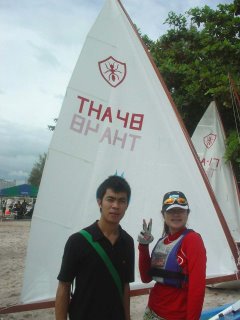
Piak and Mink


In other news from the sailing, Piak (Sports Instructor) managed to finish in the top 50% of the competitors which was a marvellous result as he has only been sailing twice before and the other teams were 'Old Salts' from Thailand and other South East Asian countries, with many such competitions under their belts. A great effort from Piak and a truly great effort from all our competitors and Asian U looks forward to taking part in, and maybe winning, future events.


Mink has recently returned from two weeks in Olympia, Greece, where she attended the International Olympic Academy for young participants. She represented Thailand at the seminar, which was to prepare the youngsters for the Olympic Games in Beijing in 2008.

An Asian Experience at Asian University; “A great experience!”

Written by Dr Astrid Kainzbauer and Netikan Roopngarm

In July 2006, I lived a big experience! An Asian experience! For me it was the first time in an Asian country and I loved the experience! (Frederico Simoes, Portugal)


For three weeks, seventy three students from thirteen different countries were based at the Welcome Jomtien Beach Hotel for a Summer University on business practices and cultures in Asia. Ages of the participants varied from 21 - 53 years. Many of them were students of business and some of them already had many years of work experience.Asian University put together an exciting programme including topics such as Economic Growth in Asia, an Asian perspective in International Marketing, and Cross-cultural Management in Asia. On top of these academic subjects, taught by professors of the Business faculty, a series of talks about Oriental Culture and Philosophy introduced aspects of Japanese, Indian and Thai religion and philosophy. For these talks, Asian University managed to attract some famous specialists in those fields.I appreciate my time here! I had so many impressions of Asian life and a lot of new inputs within a short time. (Renate Krascovic, Austria)Apart from the academic programme, students were given a chance to experiment with activities such as Thai boxing, yoga and meditation, Thai dancing, Thai cooking, Thai massage and of course survival Thai language! Highlight of the programme for many students was a talk with the Head Monk at Wat Yan, who kindly offered the students some insights into Buddhism and the daily life of a monk in Thailand.Field trips to experience the actual business environments included a company visit to Nestlé Thailand, and the Bangkok-Pattaya Hospital, where students had a chance to discuss practical business issues with members of the management team.

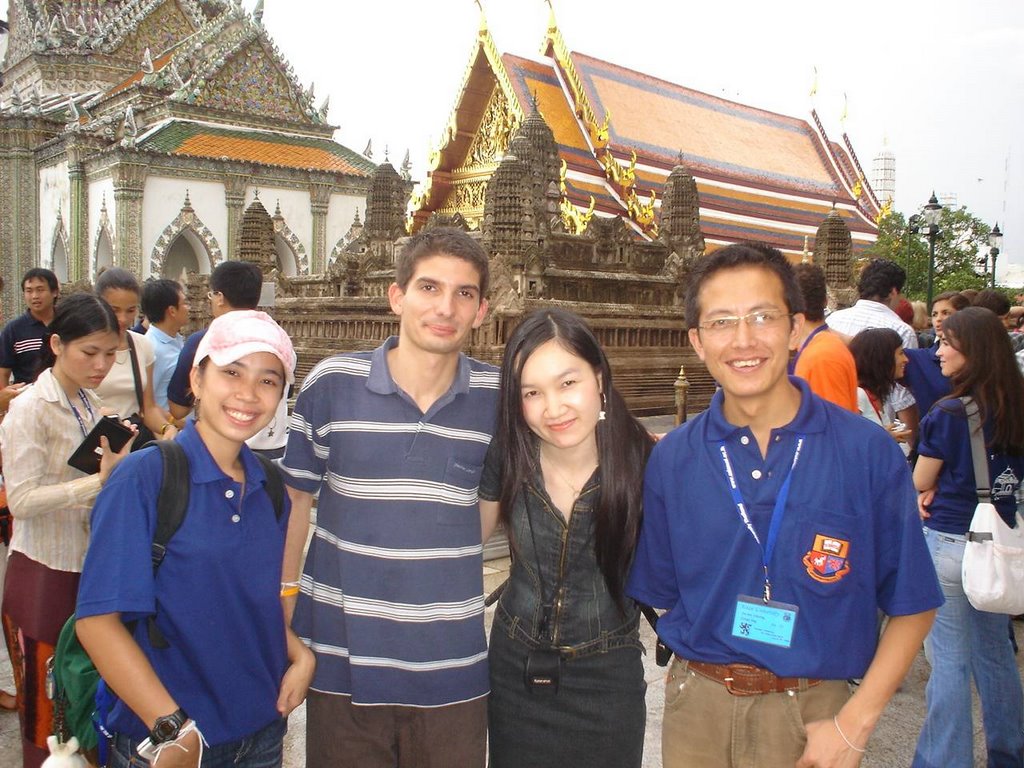
Of course, local sightseeing excursions took the students to Wat Yannasangwararam, the Buddha Mountain, Nongnooch Tropical Garden, and Koh Samet. Two days in Bangkok offered the group the possibility to visit the Royal Grand Palace, some temples and markets, and to have dinner at the Royal Bangkok Sports Club. And a long weekend provided the opportunity for more distant trips: Phuket, Chiang Mai or Cambodia.

Mingling with students from so many different countries and cultures was of course an experience in itself, as expressed by Barbara Jeza from Slovenia: “It has been quite a privilege for me to learn and live alongside everyone these three weeks. I really enjoyed everything with the group, all the fun, laughter, parties, trips.”

This is an Asian Experience! I love the group! I’ve met very interesting people and I’ve learned a lot of new things. (Filipa Paisana, Portugal)

The programme director for this very successful Summer University was Dr. Astrid Kainzbauer, Associate Dean at the Business Faculty. For the programme coordinator, Katharina Auer, it meant a lot of planning before the programme started, and a lot of running around during the programme. She is enthusiastic about the result: “I am very happy to have had such a great group of participants. It was great fun to organise the Summer University. I hope I managed to arrange an unforgettable experience for everybody.”
From the reactions of both participants and lecturers, we can certainly conclude that this was a wonderful experience, and that Asian University will plan to repeat it in the future.
One participant summed up his feelings this way: “Remember: always smile. I really enjoyed this Asian experience.” (Catia Luis, Portugal)

Thursday, 3 August 2006

Physics Workshop @ Asian University


On Saturday, 29 July, Asian U hosted a physics workshop for over a hundred teachers and students from schools all across Thailand.

The event was arranged in order to support one of Asian U’s visions: to see Thai students grow up to be smart people and be able to use their skills to develop the country and the world in the future. Asian U encourages youngsters to enjoy studying science and to learn by doing. It also supports Thai teachers by informing them about new teaching techniques.


The morning special guest speaker was Professor Dr. Suthat Yoksan (Chief Expert, Institute for the Promotion of Teaching Science and Technology) who talked about "Tuning teaching and learning techniques to nanotechnology" and "Converging modern education towards research in nanotechnology."
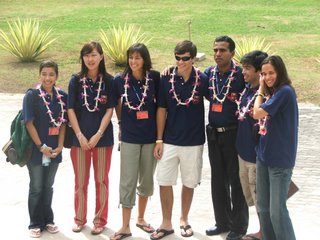
After lunch delegates heard from Ajarn Ram Tiwari, (Science Education Officer, Institute for the Promotion of Teaching Science and Technology) who spoke about "Nanotechnology found in nature" and "Enjoying teaching and learning using toy media."

With plenty of student and teacher participation, the delegates learnt how to observe, to set up a logical system for their experiments, to search for information, and how to ask the right questions and analyse the replies to find the correct answers.

The day also provided plenty of opportunity for networking amongst students and teachers, and will encourage future cooperation between schools and Asian U.

The photos show the speakers and the youngsters enjoying learning.

Thursday, 13 July 2006

Europeans come to Asian (Summer) University.

New friendships across national boundaries
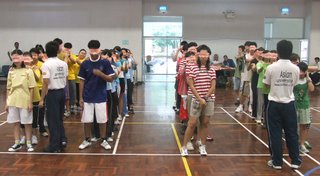
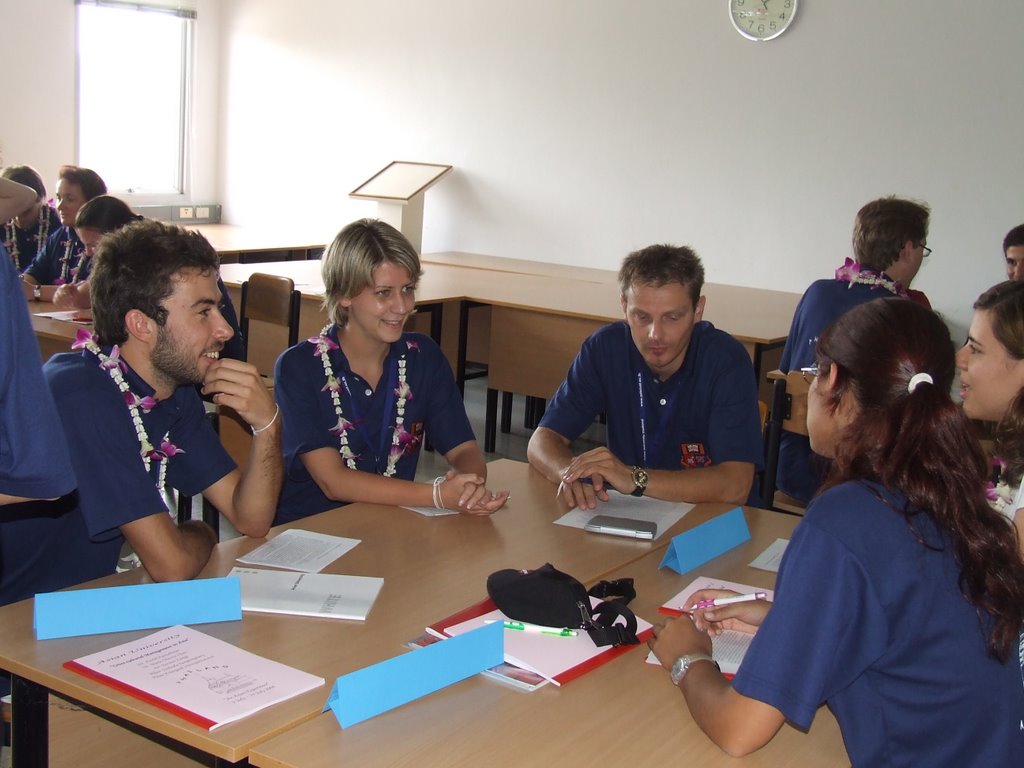
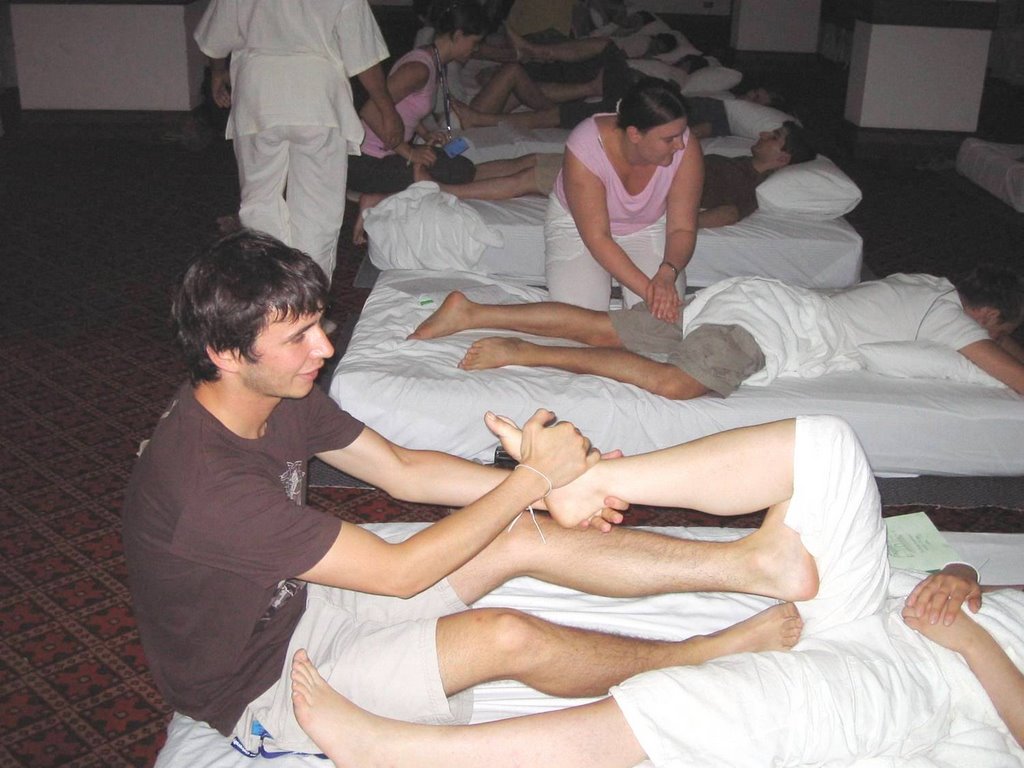
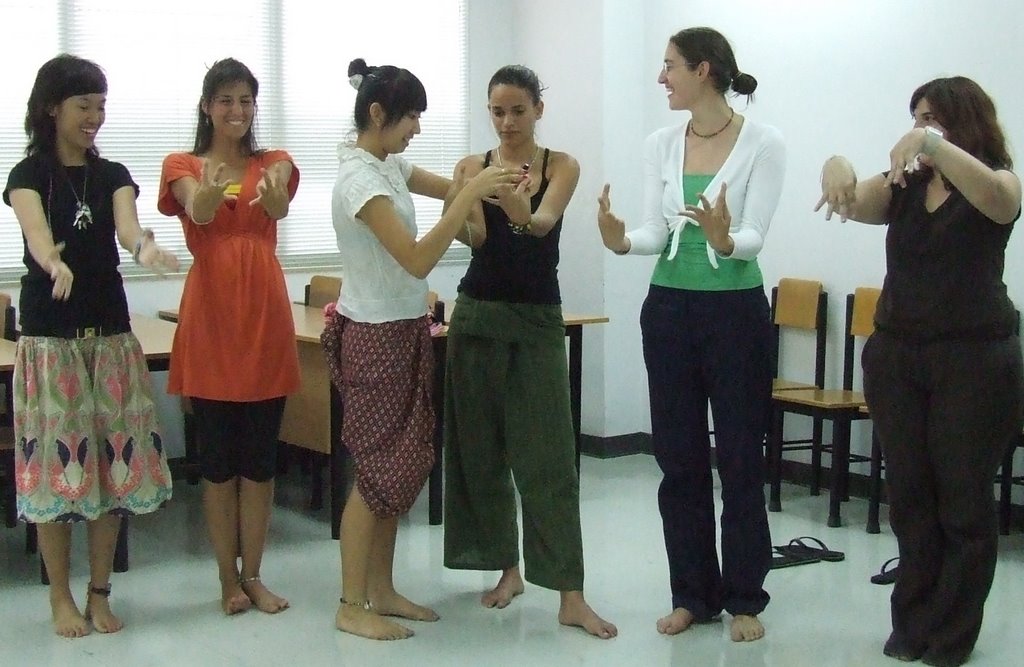
Last weekend, Asian University welcomed 73 students from thirteen different countries to our Summer University. The students will be based at the university and at the Welcome Jomtien Beach hotel. During their three-week stay, they will have lectures on Asian culture, history and business. They will also have a taste of Thai culture, with a chance to learn cooking, Thai dance, massage and many other aspects of Thai life.


They will visit Wat Yan and hear about life there from the head monk. Elephant riding, Thai boxing classes and a visit to Bangkok are included in a busy schedule.

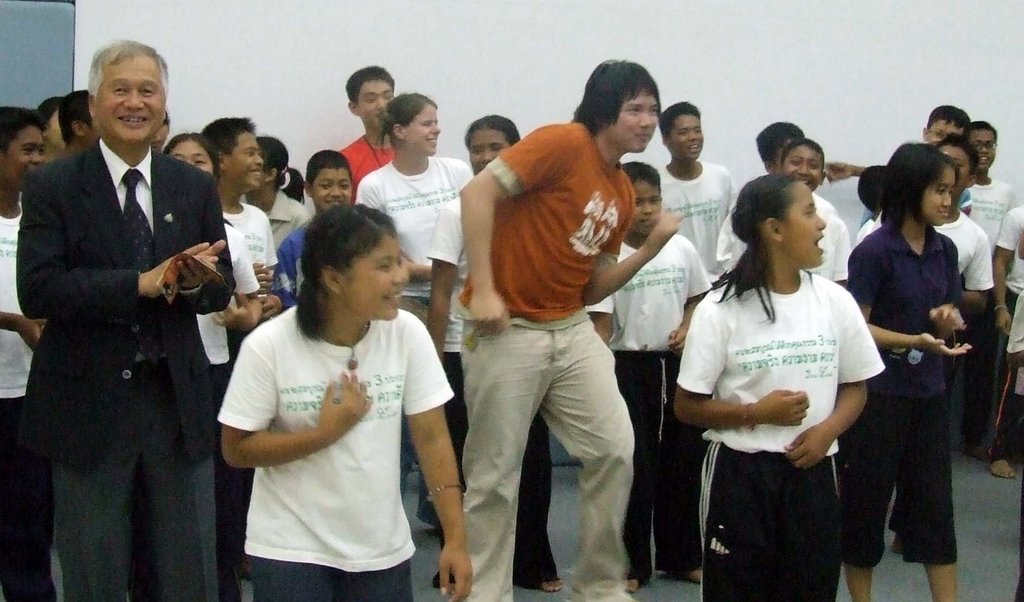
At the opening ceremony on Monday 10 July, at Asian U, the students were greeted by the non-academic staff dressed in traditional costumes and boys from a local school; they danced, they sang and they placed garlands on the visitors. Many of the Europeans have never been to Asia before, and were impressed by everyone’s friendliness. There are several students from Austria and Portugal, with future MBA students from Mongolia, Bhutan and Sri Lanka as well as many other European countries.

The students had assembled on Sunday night at the Hotel, and many had stayed up to watch the football final. Monday was down to serious business with a talk about education costs and benefits and a brief the history of the University from the president Dr. Viphandh Roengpithya. The Dean and Deputy Dean of the Business Faculty, Dr. Marie Therese and Dr. Astrid, spoke about the programmes offered by the University and in particular the Summer University. Astrid first met Dr. Vip in Vienna, and he invited her to come to Asian U. Astrid wanted to offer a Summer University for foreigners to learn about Thailand and the region, not just doing business here, but also the culture, the language, the religion, the history and some of the other special features of the country.

Photos, at the university, show the welcome by staff and the newcomers joining in with the Thai dancing.

Monday, 3 July 2006

Asian U IAP Sports Day 2006


On Wednesday 28 June, some of the students and staff at the Asian University participated in a fun sports afternoon. Students from the Intensive Academic Programme (IAP) joined with nurse-trainers and others on the English Immersion Programme to compete.


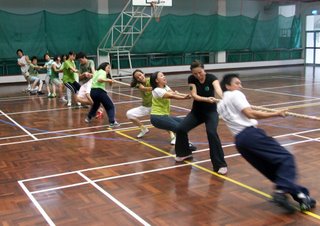
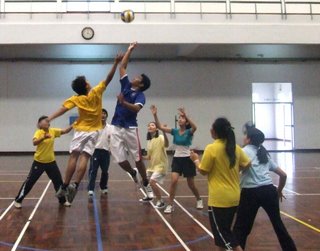
Amongst the games were Water balloon tennis, Three-legged races, Basketball, Tug-of-war and Sack races.


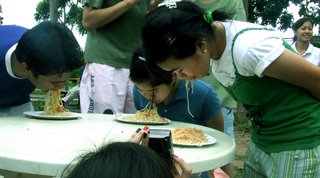
There was even a Spaghetti-eating competition, with participants’ hands firmly tied behind their backs!

The event was held in the Sports Centre, on campus, and was a good chance for making friends across the different faculties and many programmes taking place at the university.

The photos show the students enjoying themselves, with the sports staff and other faculty members.

Friday, 16 June 2006

Asian U Summer University


Asian University proudly presents the Summer University of 2006: “An Asian Experience in Thailand”. During this three-week summer course from July 9 - 29, 75 students from a dozen different countries (mainly Europeans) will attend courses on Asian Business related topics and visit local industries. The participants will also learn about Thai culture. At the weekends the students will have the opportunity to travel in Thailand and elsewhere.
A few places remain for applications from international and Thai students and recent graduates. For further information please call 038 754 450 2877 or have a look at www.asianust.ac.th/summeruniversity.


Half-fee scholarships at Asian University.

Dr Vip (left) joins the dancing with School for Life Children.

To Celebrate His Majesty’s 60 year reign, or diamond jubilee, the president of Asian University, Dr Viphandh Roengpithya (Dr Vip) is offering 60 half-fee scholarships.
These are available to Thais and foreigners, for undergraduate and post-graduate study.
The scholarships are available now, on a first come, first served basis.
Potential students must meet the academic criteria for entry to the course they wish to take.
Terms and conditions apply.
For further details, please contact our admissions office on campus at 038 754 450 or our Bangkok office 02 253 4771.

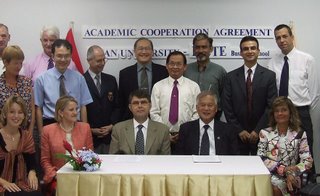
Dr Vip (seated on right) with staff of Asian U and from ISCTE Business School in Portugal.

Friday, 26 May 2006

Asian U welcomes Nurse Trainers from Nonthaburi


Nurse Trainers from Nonthaburi improve their English at Asian U.

For the past five weeks a group of eleven Trainers from Borommarajonani College of Nursing in Nonthaburi have been studying hard at Asian University to improve their English language skills.


They were very motivated students, partly because are off to a conference in Perth, Australia next week, to put their new knowledge into practice, and. They have been in class for 25 hours each week, and have also had to complete homework assignments and project work.

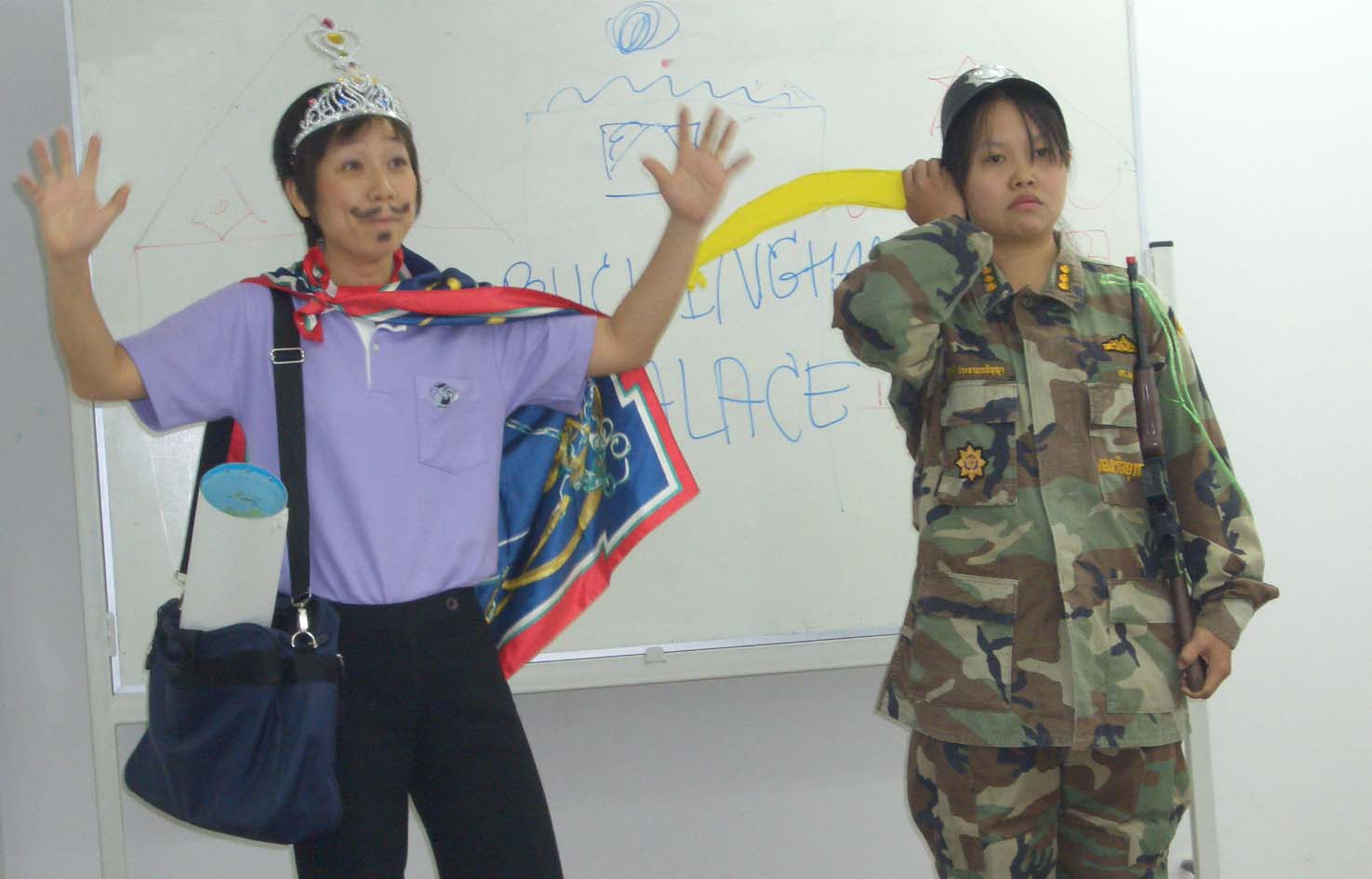
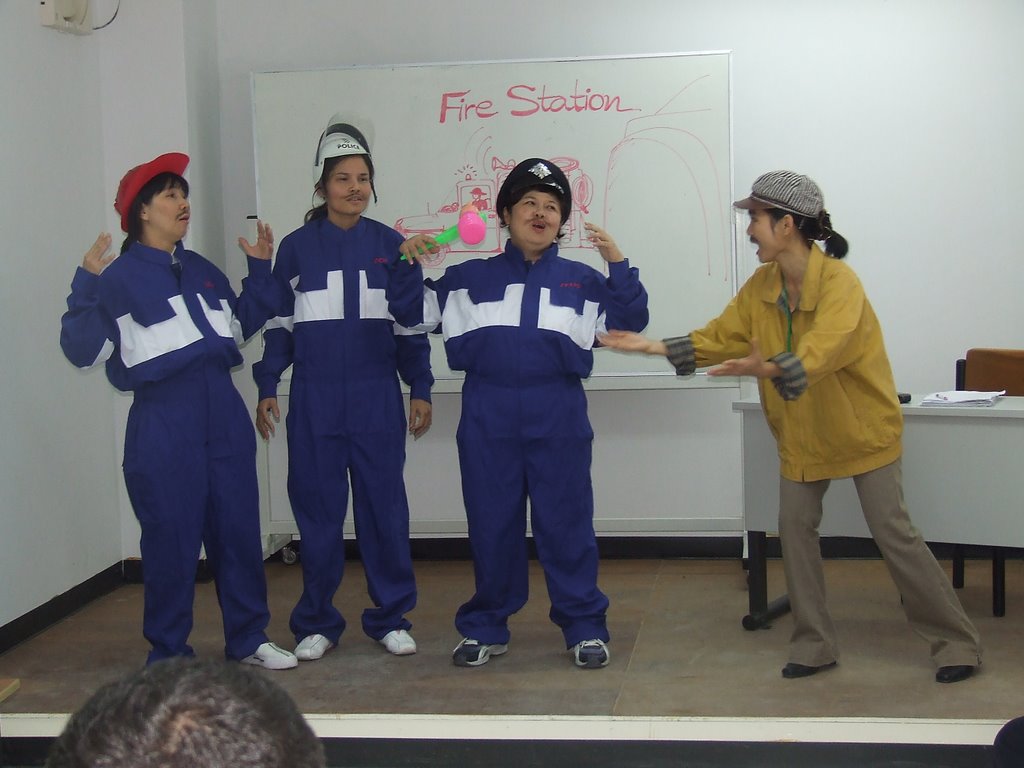
The ladies have enjoyed their time at Asian U, and on their last day there, they put on three very entertaining plays to show off their new skills.

Everyone at Asian U is looking forward to welcoming another group of twenty-two nurse trainers from the same college next month. These courses form part of the English Immersion Programme, more details of which are on the website at
www.asianust.ac.th


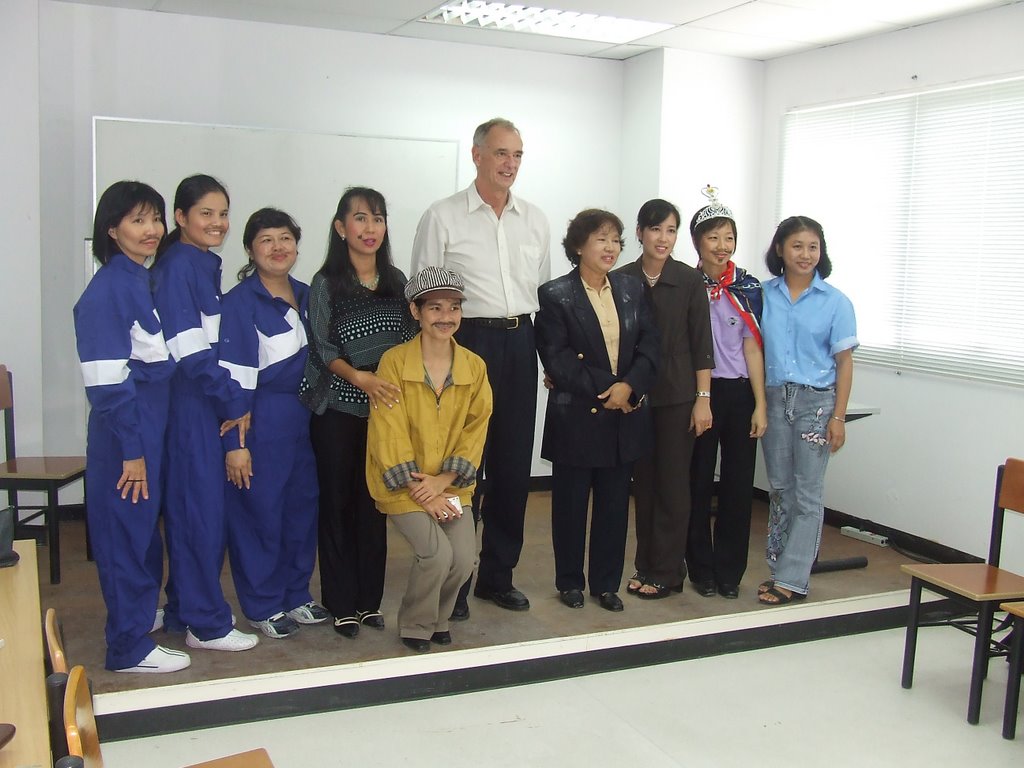
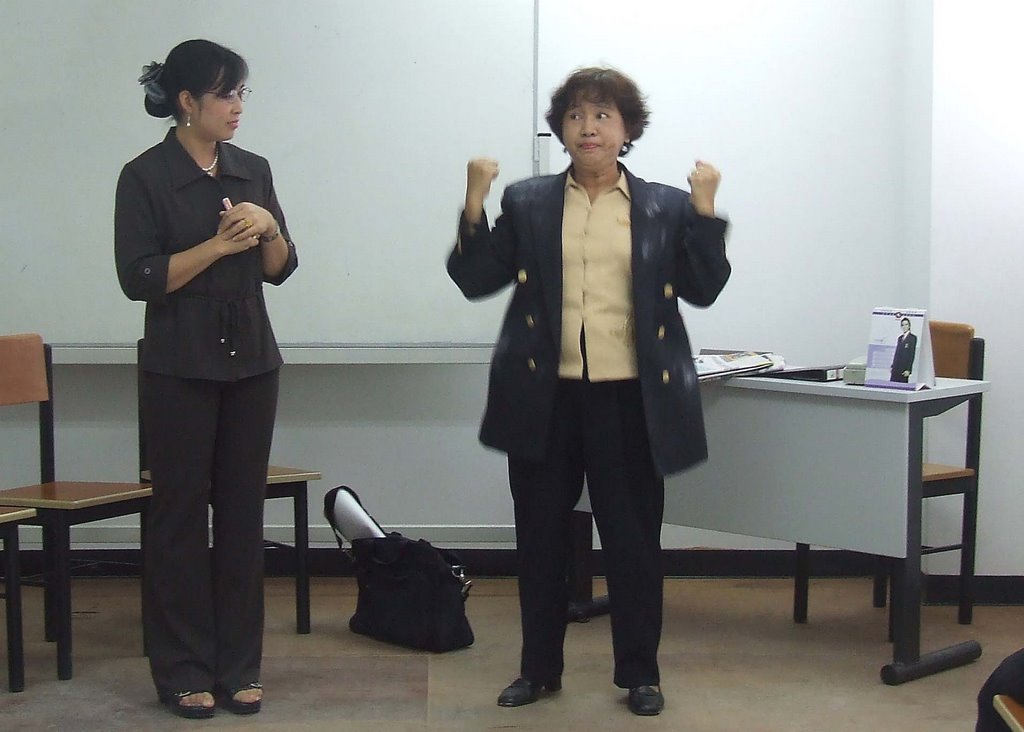
The photos show the ladies, made-up and dressed-up for the parts they played. Faculty members and other staff from the university provided an enthusiastic audience.


Wednesday, 10 May 2006

Asian U hosts Chiang Mai School for Life youngsters

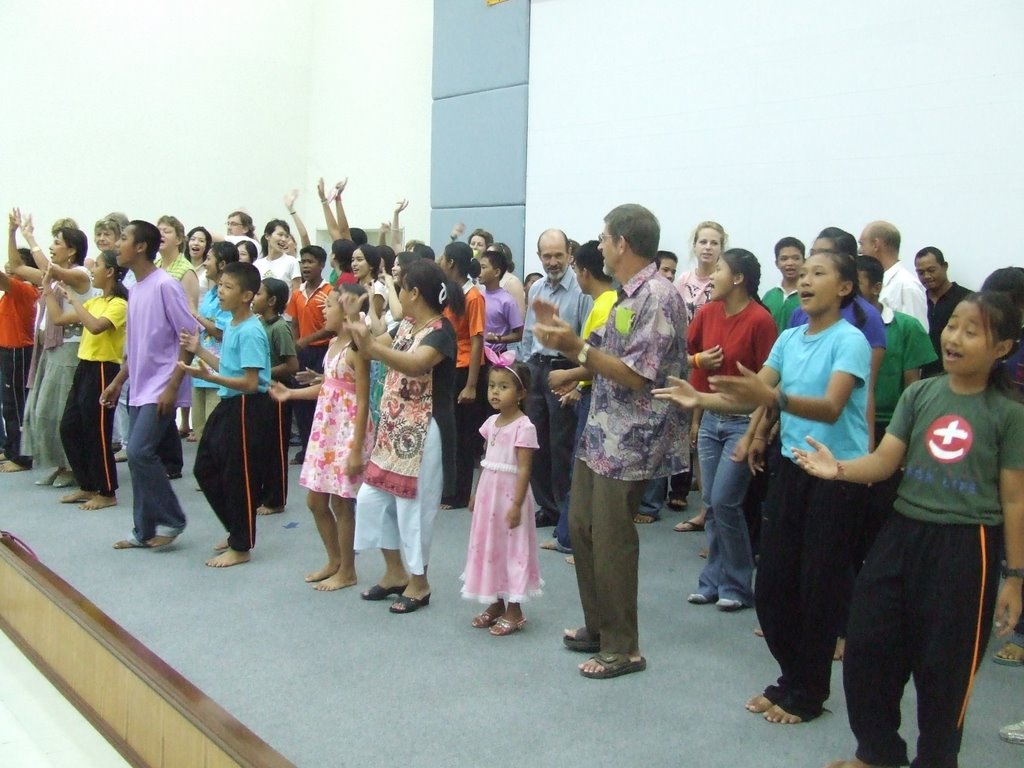
Nearly fifty youngsters from the Chiang Mai School for Life visited Asian U from 22 to 27 March. They stayed on the campus, and travelled around the area from there. On Friday and Saturday afternoons they put on very entertaining shows of dancing, singing and art. Students from the Asian U summer camp were joined by pupils from the International School of the Regents, as well as individuals and supporters from other organisations around Pattaya. On Saturday, the Deputy Permanent Secretary of Pattaya City Hall, Khun Apichart Puetpan, was a very welcome guest, as well as a group of children from the Pattaya Orphanage and many local residents.

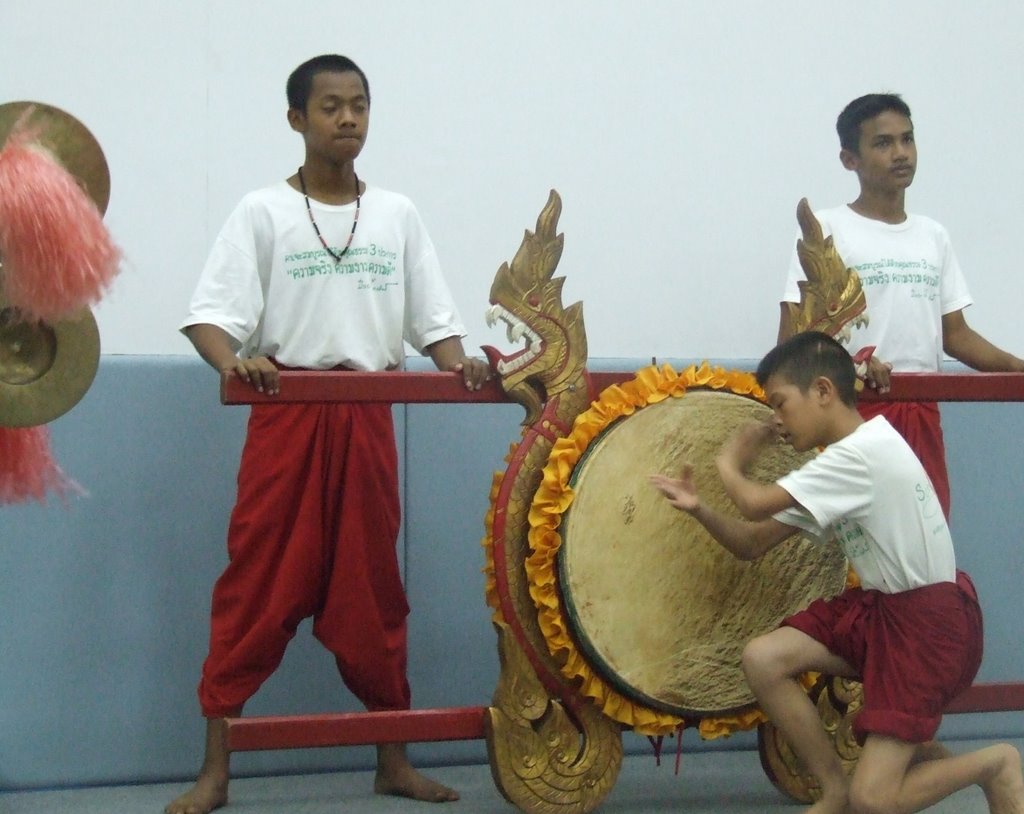
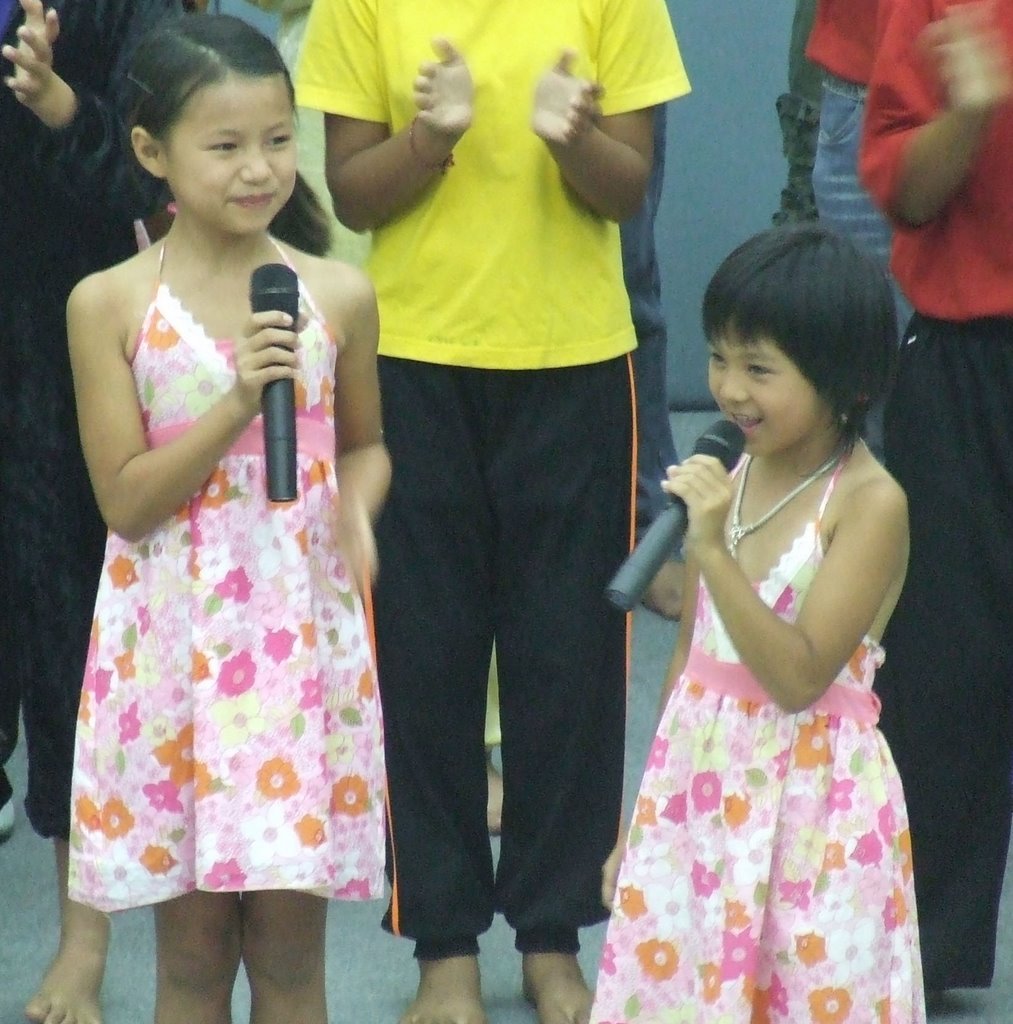
The show started with a traditional Thai welcome dance with a superb display of drumming, performed by the boys from the school, then the girls danced an elegant “finger-nail” dance. The group were then welcomed by Dr. Viphandh Roengpithya and Khun Panit Nilubol, the president and vice president respectively of Asian University. After singing both traditional and modern songs, the children came into the audience and persuaded staff and other youngsters to join them on stage to sing “Am I only dreaming?”


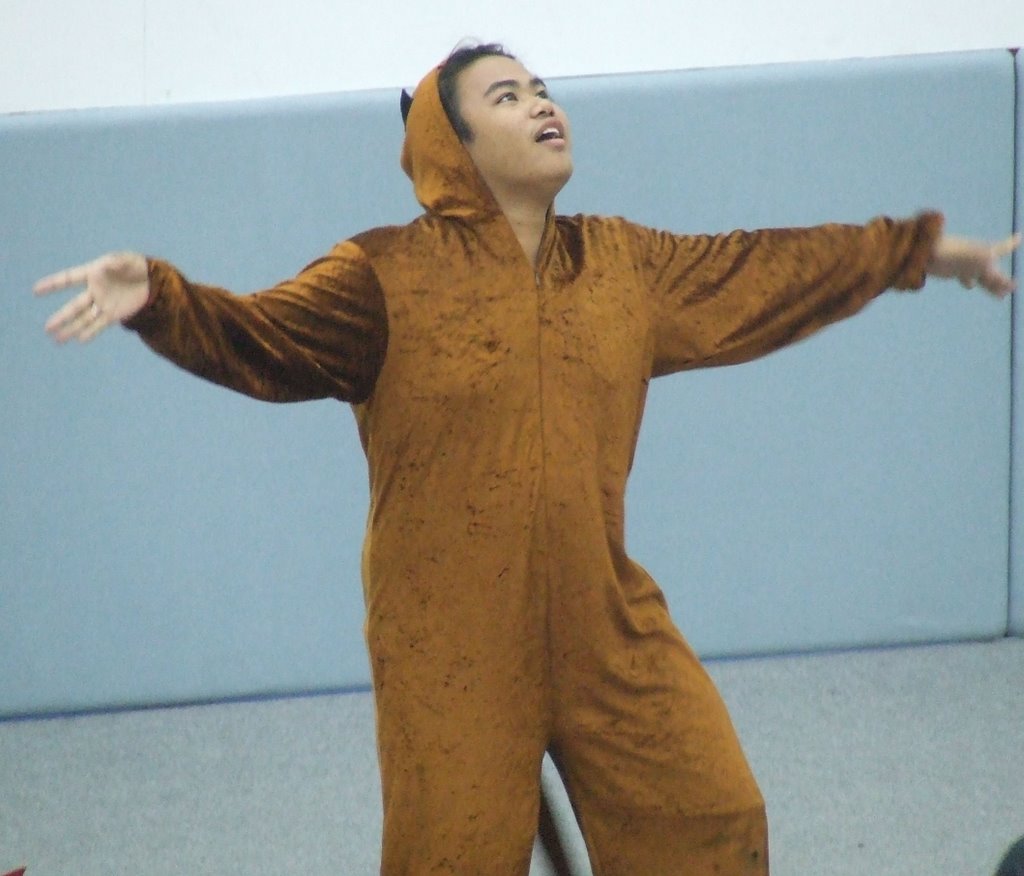
Arguably, the highlight of the show was a performance of two songs from the musical Cats: Jellicle Cats and The Old Gumbie Cat. Dressed is their cat costumes, and with whiskers and tails, the youngsters put on a very professional performance.


After the show, some of the youngsters showed off their paintings, and these were on sale to help to raise funds to support the school.

The School for Life was founded in 2002 as the “House for Aids Orphans”, but later children from hill tribe villages, street children and some orphaned by the tsunami joined. By acknowledging their right to happiness, offering them a new home, and providing them a first-class education, the School for Life gives them hope. Last week, the children enthusiastically gave their show to say “Thank you” to the people in and around the Pattaya area who have welcomed them here.


Tuesday, 9 May 2006

Pattaya Mail: Pattaya People


Susan Joyce by Dr. Iain Corness

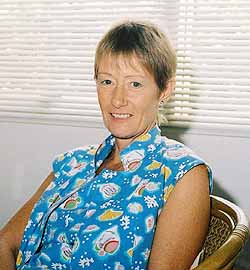
One of the Faculty of Liberal Arts lecturers at Asian University is a most interesting English lady, Susan Joyce. She was a rather unique young girl when she first entered Leeds University to study Civil Engineering some years ago. She was the only female in a class intake of 120, and upon graduation was only the 11th female member of the Institute of Civil Engineers.Not only is Susan an interesting person, she also has a very interesting background, with both her grandfather and uncle being engineers, and although both her parents were dentists, her mother was the first female dentist in the Army Dental Corps.Despite having been born in London within earshot of Bow bells, making her a Cockney, she is very polished, perhaps showing the results of British private school education. It was also at school that she began to show her very different direction. Home economics were not for young Susan. Her favorite subjects were Pure Maths, Applied Maths and Physics. When I asked her what was the attraction to these subjects, she said, “I enjoyed maths. I found it interesting. I enjoyed proving things.”Initially she thought that she might like to study computers and went to Leeds University on one of their open days to see what this would entail. “I took one look at the computers and decided it would be boring, but the Civil Engineering lab interested me.” The other draw-card for Civil Engineering was that it was a career which would allow her to use mathematics.

During her university years she found that she was drawn to water, so when she graduated she ended up taking a position relating to the civil engineering of - sewage! It would be difficult to imagine anything less lady-like for a young woman! However Susan said that she was not really standing knee deep in wellies, but involved mainly on design. She even quoted the (previous) definition of Civil Engineering, being that of “Harnessing the force of nature for the benefit of mankind.” Anyone who has had to experience life without a sewage system would definitely agree with that definition! Mankind has certainly benefited.Her civil engineering expertise grew and soon she was involved in projects both in the UK and in the Middle East. This ignited a love of travel and experiencing different lifestyles, and she began to plan an overseas career for herself.

However, this plan had to go on hold initially – she met the man who was to become her husband. Another engineer, just to keep it all in the family.As a couple, they rethought their individual overseas plans and together they went to Africa, where her husband had a contract in Kenya, and Susan also snared a job, as soon as she had got there. This time it was in water treatment, another necessary ingredient benefiting mankind, especially in hot, dry Africa.However, after eight years there, they decided it was time to leave. There were many factors influencing their decision. “We didn’t want to get stuck in Africa all of our lives, and violence and AIDS were on the rise.”They returned to the UK, and Susan returned to consulting, but after a few years, her career took a different turning. She saw an advertisement for professional training for engineers and joined the group that was running these training sessions. Her job was in organizing the training and finding the necessary resource personnel. It was an interesting deviation and Susan stayed there for another six years.

But on the home front, both she and her husband began to get itchy feet again, and her husband was offered a position in America, and Susan joined him there in Oklahoma. For the first time, Susan had problems finding a position for herself. However, being active and resourceful, she got around the ‘green card’ problem by becoming a volunteer tutor at a technical college there. She also found that she enjoyed teaching, saying, “It’s that moment when the little light comes on (for the student) that makes it all worthwhile.” Being well experienced in life also helped her make the transition. “You have to experience the ‘real’ world before you go teaching,” said Susan, and there would be many people who would agree with that.After the US, they moved to France, but that was not satisfactory, for many reasons, including the fact that schoolgirl French was not enough in the professional arena.

But on Friday the 13th (Black Friday for the superstitious souls) 1998, her life again changed. There was the possibility of something in Thailand. Did she want to go? Or rather, “they” did!After three years in Bangkok, they moved to Pattaya. Asian University was looking for teachers, and a Mathematics teacher in particular. Would Susan be interested? Since Mathematics was still her favorite subject she took the opportunity gladly. Now five years on and she is still enjoying the challenge.Being someone who has not had children herself (by design), I wondered how she felt about this relatively new career in teaching children. “Here (at Asian U) we have young adults. They’re not sticky and they’re potty trained! They are very nice people and that is one of the things that makes the job worthwhile.”

As her first hobby, Susan surprised me by saying dressmaking. Venturing that this seemed a long way from applied maths and engineering, Susan disagreed. “It’s very similar to engineering. You have a pattern, design and construction.” And then smiled sweetly and said, “There’s some great fabrics here too at the Naklua markets!” One of her other hobbies also uses mathematics – that fiendish oriental puzzle called Sudoku. “It’s a terrible time-waster, but I enjoy the challenge.”Despite having been a trailblazer in many ways, Susan is not a women’s libber. “I’m in favor of equal treatments and equal rights, but I still appreciate doors being opened!” When we finished the interview, I made sure this charming lady preceded me as we left!


This article was published in Pattaya Mail dated 5 May 2006

Asian U Bye Nior celebration

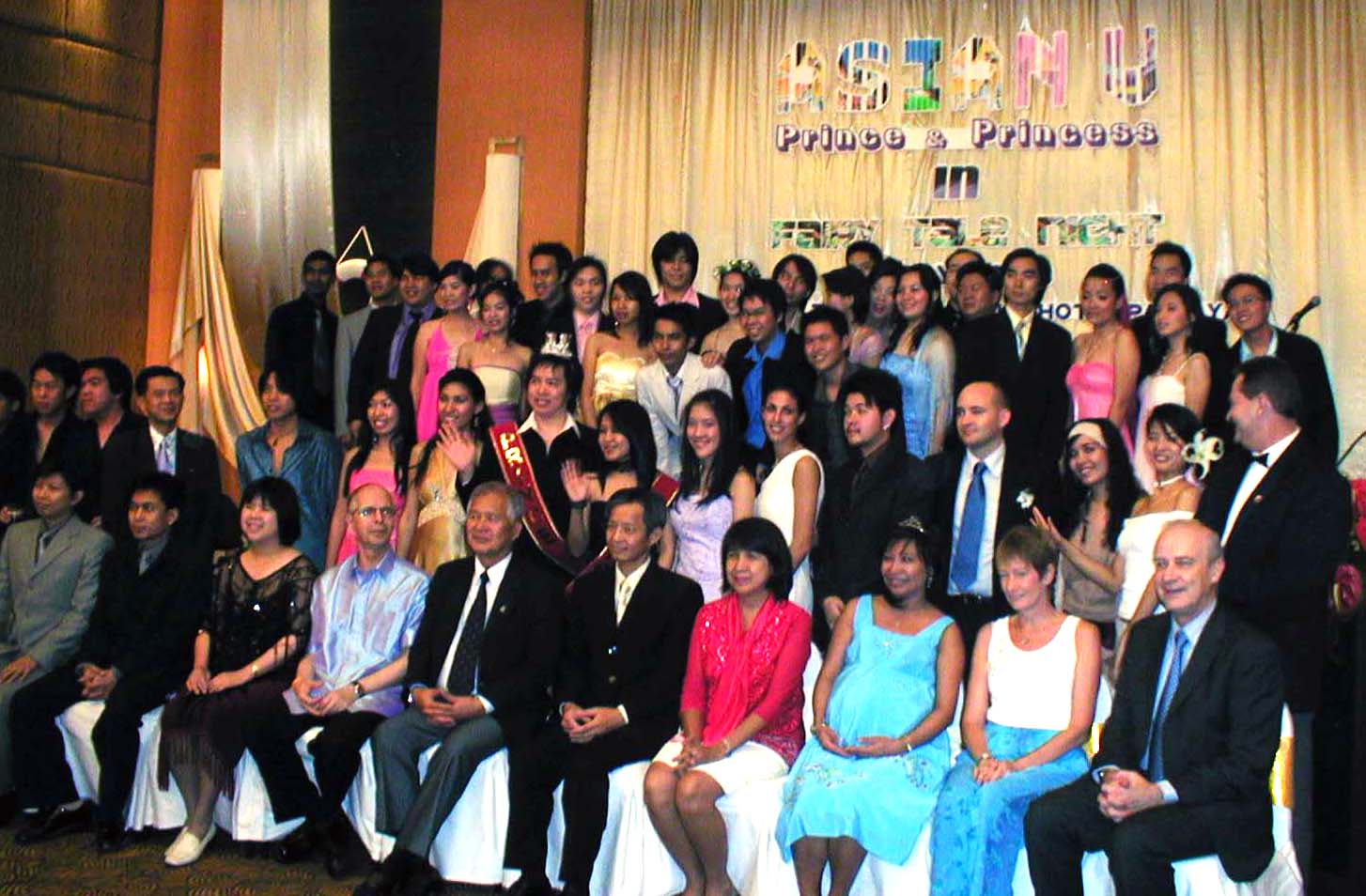
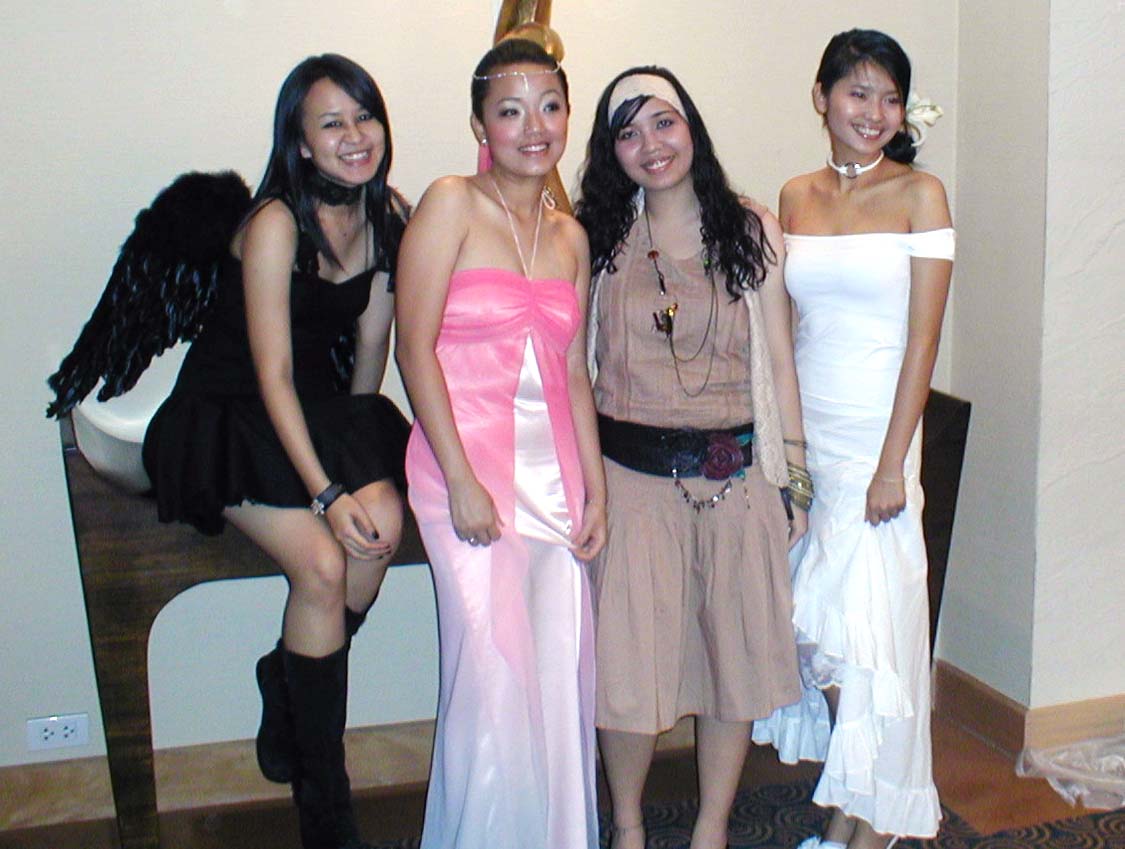
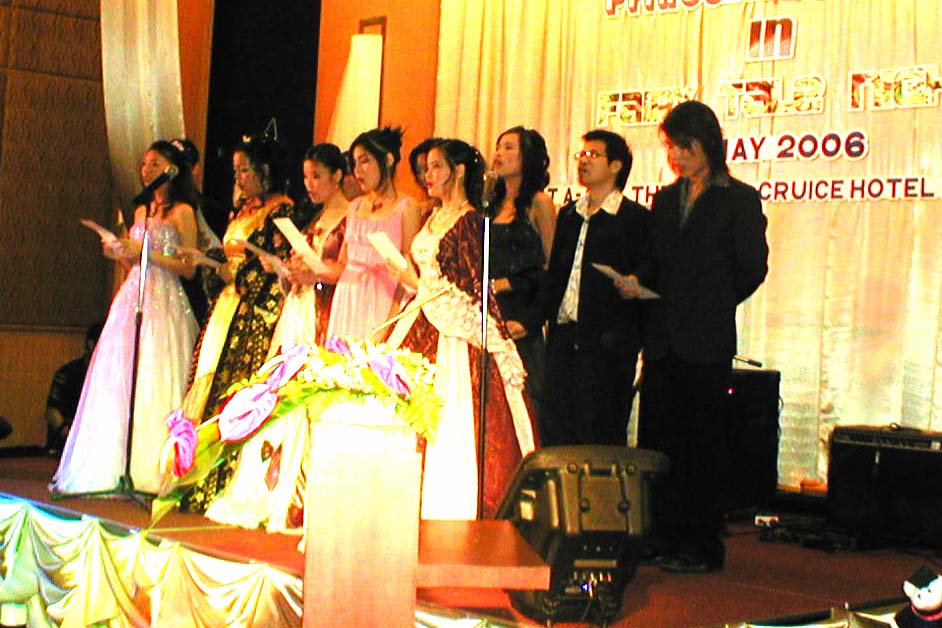
On Saturday 6 May, Asian U students turned out in their finery for their annual Bye Nior evening. (Short for good-bye seniors). As usual, this year’s Third year students organized the event for the Fourth years.


About 150 students and staff celebrated at the A-One Cruise hotel. The theme of the evening was a fairy tale evening, and there was an election for the Prince and Princess of the graduands. The winners were Princess Pui (Nattapmon Sartsatit, soon to be BA) and Prince Teang (Adull Kilenthong, soon to be BBA). The university choir entertained everyone and then the third year students gave teddy-bear mementos to all the fourth year students who are leaving, for “the real world”.

The Sports Director, James Saville, presented Sporting Excellence awards to four special students. The awards are for showing and sharing their sporting excellence throughout their time at Asian U. The Football team captain, Land (Pongsakorn Rojkasemsatit) and the Basketball team captain, Teang (Adull Kilenthong) both received awards. These two young men are about to graduate with Business administration degrees after four or five years of hard work and plenty of sporting enthusiasm. The other awards were to two of last year’s graduates: Baz (Jirabhon Sanguanpuak) and Yeen (Thanapati Sriwipat) both of whom were star basketball players at Asian U.


Asian U, a relatively small university, has been able to play against teams from the big universities in Thailand, and, thanks to the enthusiasm of the students, has come away with gold, silver and bronze medals on many occasions. James also took the opportunity to announce that one of our first year business students, Mink (Sinsupa Wannasuth), having already won a bronze medal for sailing at the SEA games, is to go to the Olympics in Beijing in 2008, as a judge. Asian U is very proud of her.

More information about Asian U and the courses available, can be found on the website: www/asianust.ac.th


Thursday, 4 May 2006

Lego Workshop at Asian U.


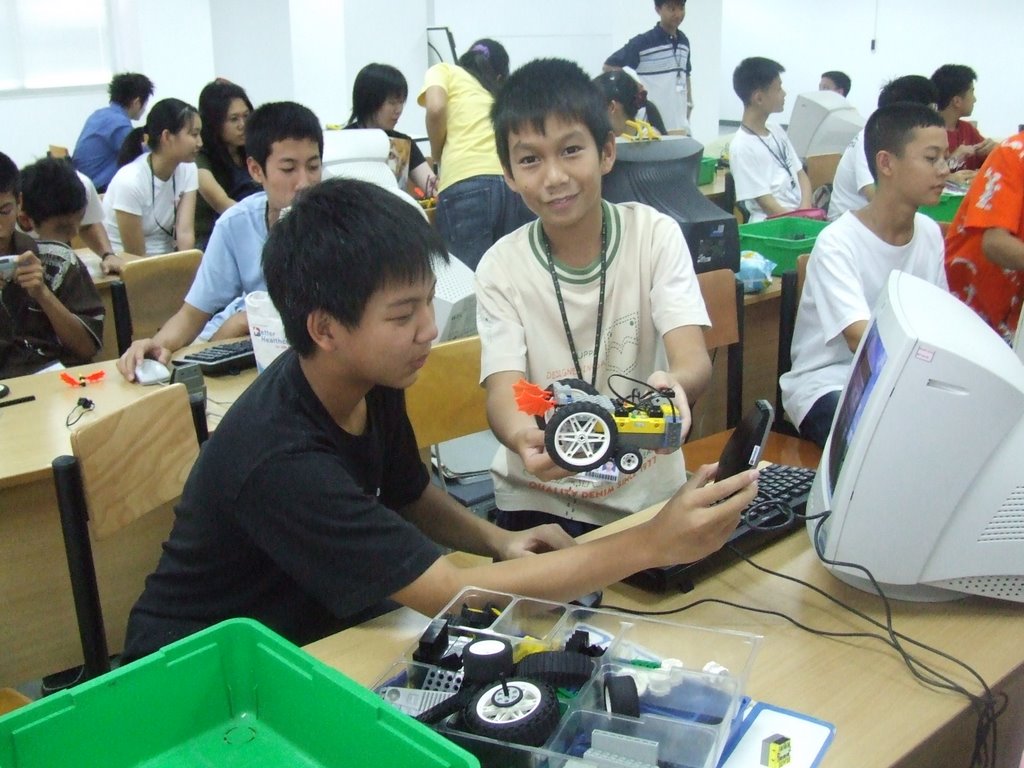
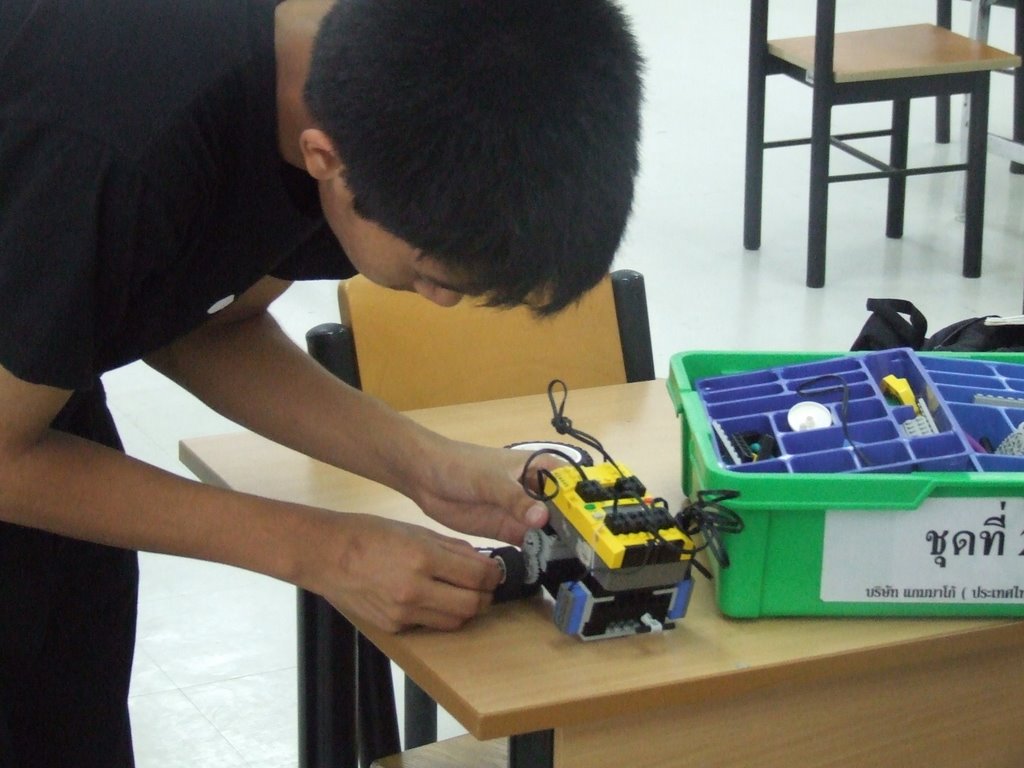
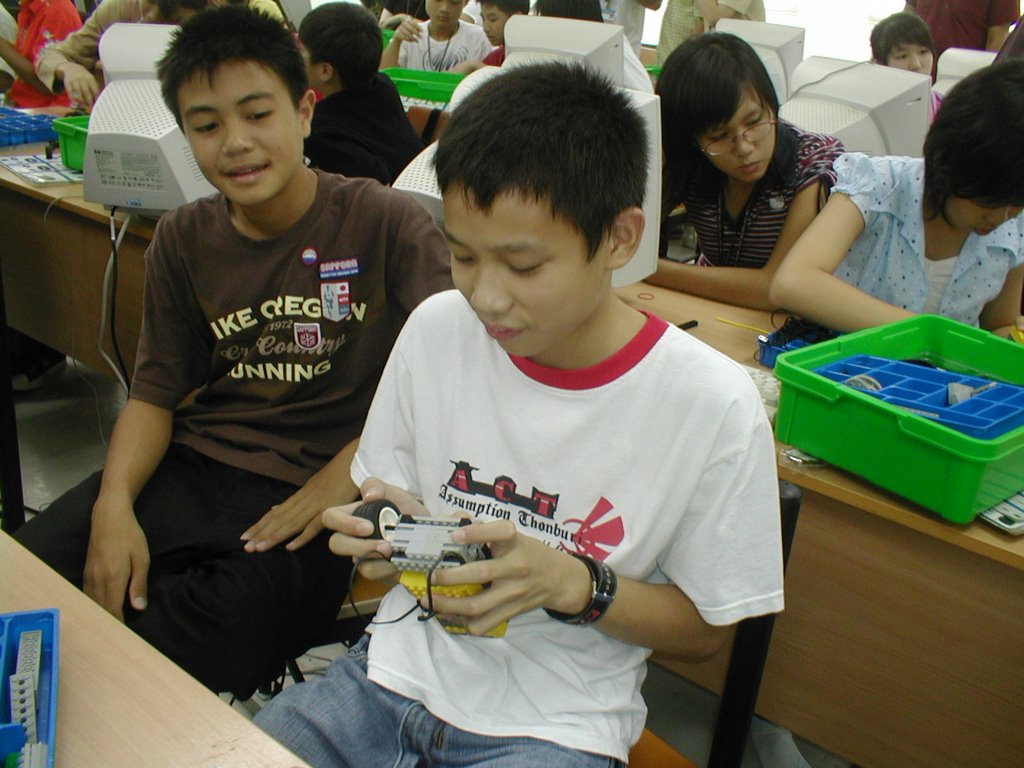
As part of the 4-week long English Summer camp, 45 lucky Asian University Campers have spent three days on a Lego robotic workshop. The workshop, led by Mr Rak, from the educational division of Gammaco, and two of his colleagues, has permitted the youngsters to learn about robots and to make their own. They have been using educational Lego kits that include a programmable robot unit, and a set of Lego pieces to enhance their creations.


The students worked in teams of three each with a basic Lego kit and a pc. They were able to programme the base unit to move around in different directions, and at different speeds, and then fit it with wheels and other appendages. By the end of the first morning, the students already had their robots travelling around. They then had to refine the programmes, and solve some small problems. The students all enjoyed the three days, and Asian U is very grateful to Mr Rak and his team for bringing the Robolab equipment and leading the workshop.


Another robotics workshop is planned for the second Asian U Summer Camp that starts on 16 April.


For more about Asian University see our website: www.asianust.ac.th